Introduction
.Renter friendly furniture ideas have become essential for modern living as renting continues to dominate urban housing in 2026. With people moving more frequently, downsizing, or choosing flexible lifestyles, renters now need furniture that is easy to move, quick to assemble, and adaptable to changing spaces. Today’s renter friendly furniture ideas focus on functionality, flexibility, and smart design—without sacrificing comfort or style.
The rapid evolution of furniture design has transformed how renters furnish their homes. Modular sofas, multi-functional storage pieces, foldable tables, and space-saving beds now allow renters to personalize their apartments without committing to bulky or permanent furniture. These renter friendly furniture ideas are specifically designed to work in temporary living situations, making them ideal for apartments, condos, and short-term rentals.
In 2026, renter friendly furniture ideas also reflect a shift toward conscious and practical living. Many designs prioritize lightweight materials, reconfigurable layouts, and long-term usability across multiple homes. This approach helps renters invest wisely in pieces that grow with their lifestyle, rather than replacing furniture with every move.
Aesthetics have evolved alongside functionality. Modern renter friendly furniture ideas blend clean lines, neutral tones, and contemporary finishes, proving that renters no longer have to choose between practicality and style. From sofas that convert into beds to sleek shelving that adapts to any layout, renters can now create a home that feels personal, comfortable, and visually refined—no matter how long they stay.If you’re furnishing a tight layout, these small apartment decor ideas help you combine smart furniture with renter-safe styling so your space feels bigger without clutter.
Key Features of Renter-Friendly Furniture
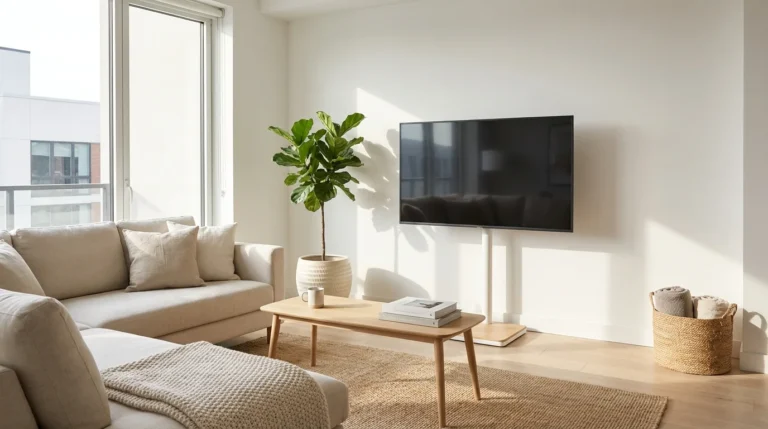
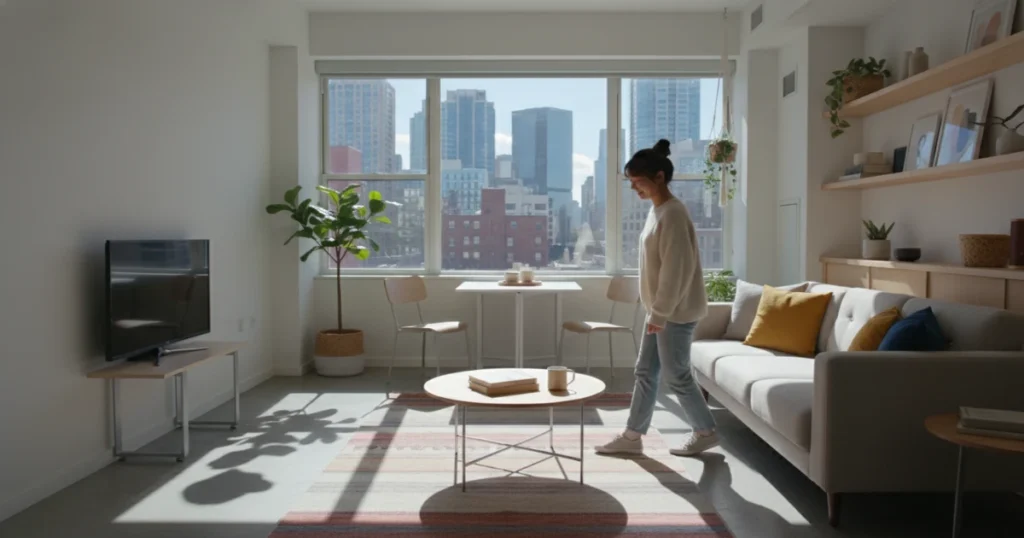
Renter-friendly furniture has become increasingly essential in modern homes, particularly as more individuals opt for transient living arrangements in urban areas. Key characteristics of this type of furniture include portability, modular design, ease of assembly, and versatile material choices. Each feature is tailored to accommodate the unique needs of renters, ensuring they can maintain a stylish and functional living space without permanent commitments.For living rooms, these renter-safe TV stands are ideal because they’re stable, easy to move, and don’t require wall mounting or drilling.
Portability is one of the foremost attributes of renter-friendly furniture. Lightweight materials and compact designs allow renters to easily move their possessions from one location to another. This flexibility is particularly beneficial for those who frequently change residences, enabling them to transport their furniture with minimal hassle. Additionally, the incorporation of wheels or a collapsible structure enhances this feature, facilitating seamless relocation.
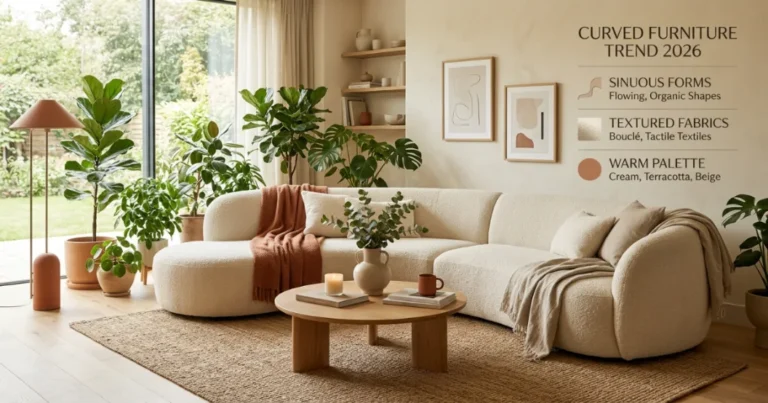
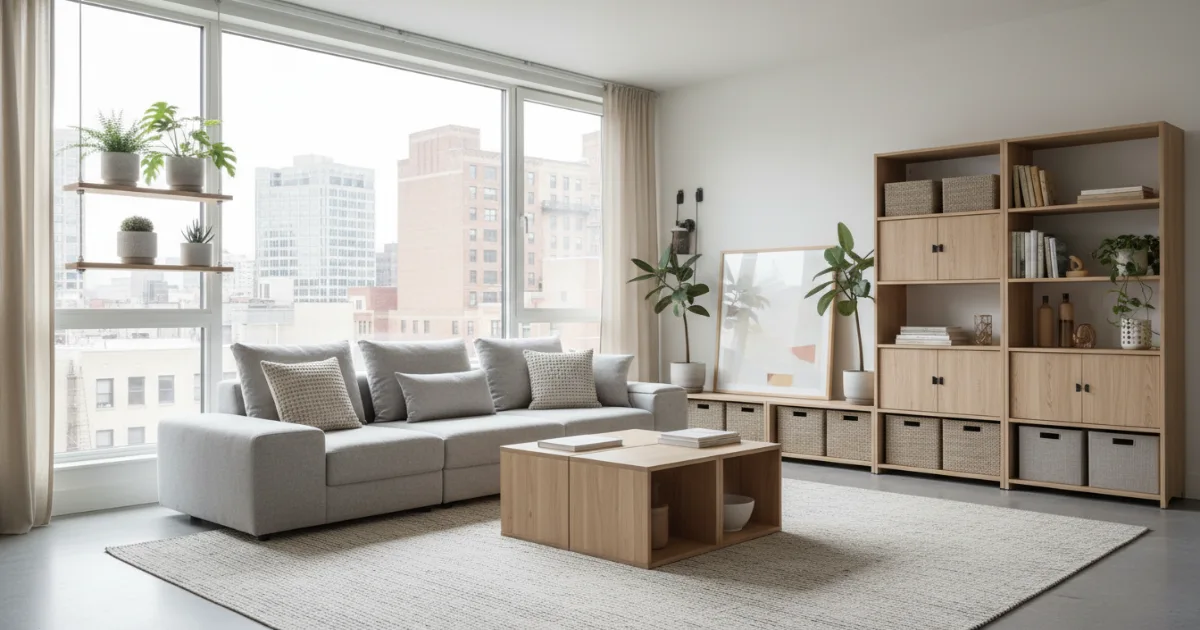
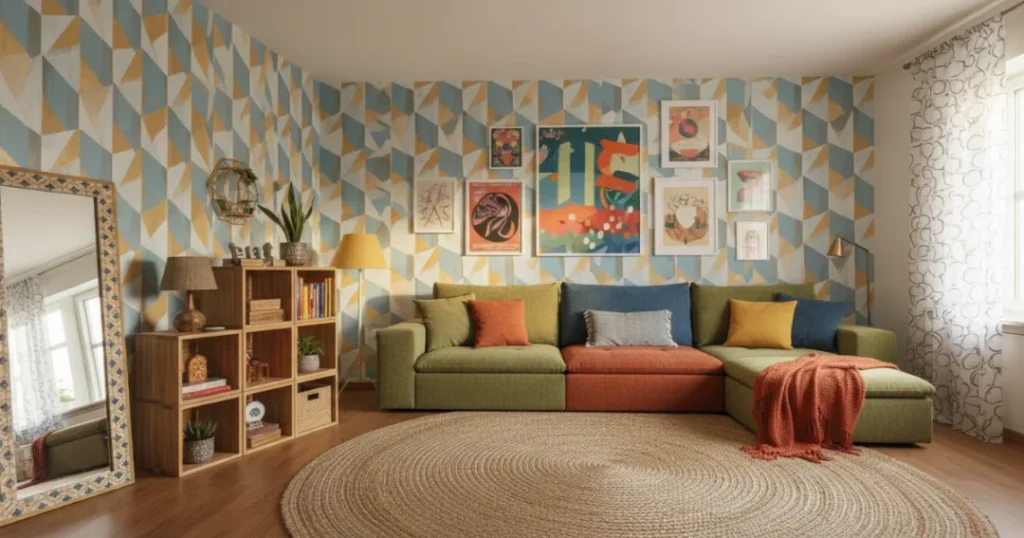
In conjunction with portability, modular design plays a critical role in the adaptability of furniture for renters. Modular pieces can be rearranged or reconfigured to suit varying living spaces, making them a perfect choice for apartments with unique layouts. For example, sectional sofas can be separated into individual seats or combined into a larger seating area depending on the occasion, offering style and flexibility.
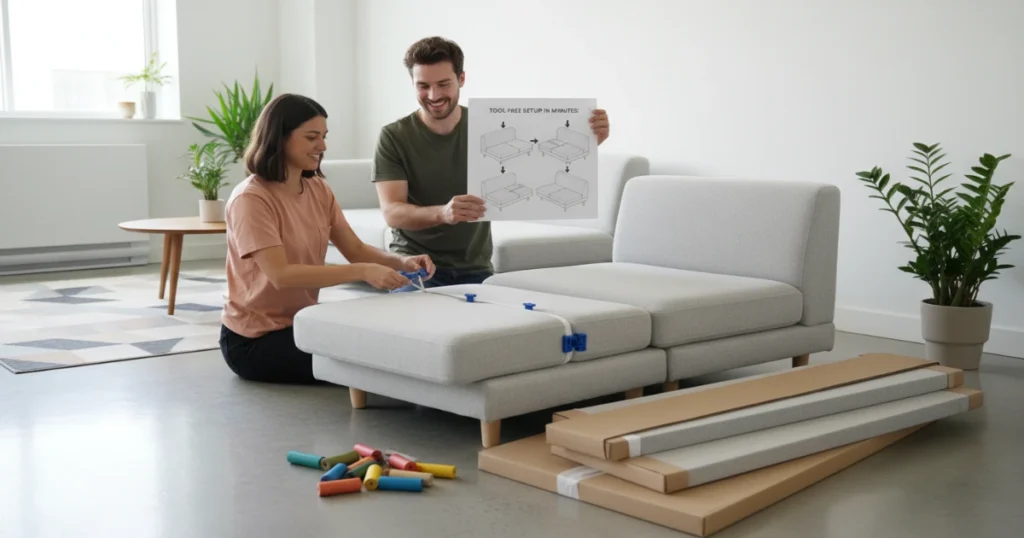
Ease of assembly is another important aspect of renter-friendly furniture. Many renters may prefer options that can be quickly put together without the need for specialized tools or extensive assembly instructions. Furniture that offers straightforward assembly not only saves time but also reduces the potential for damage during setup. This is especially relevant for those new to independent living who may require user-friendly solutions.
Lastly, the selection of materials in renter-friendly furniture is essential. Options such as engineered wood or durable fabrics can cater to diverse styles while ensuring that pieces remain lightweight and easy to transport. Moreover, these materials often provide a balance of both affordability and resilience, essential traits for budget-conscious renters.
Top Picks (Amazon)
Handpicked essentials for small spaces — click to view on Amazon.
 Small-space favorite
Loveseat Sofa with Ottoman (50" L-Shape Cloud Couch + 22" Ottoman) — Blue
- Modern L-shape look for apartments & offices
- Includes matching 22" ottoman for lounging
- Compact 50" footprint for small rooms
 Clean teak finish
Winsome Wood Suzanne Kitchen Table — Square (Teak)
- Space-efficient square table shape
- Warm teak tone for modern kitchens
- Great for apartments & small dining areas
As an Amazon Associate, you may earn from qualifying purchases. Prices and availability may change.
Popular Trends in 2026 Renter-Friendly Furniture
The evolving landscape of renter-friendly furniture in 2026 is significantly influenced by a growing emphasis on sustainability and efficiency. Modern renters prioritize eco-friendly options, making it essential for furniture manufacturers to adopt materials and production methods that minimize environmental impact. The trend toward sustainable materials, such as reclaimed wood and recycled metal, not only supports environmentalism but also resonates with the aesthetic preferences of contemporary consumers.
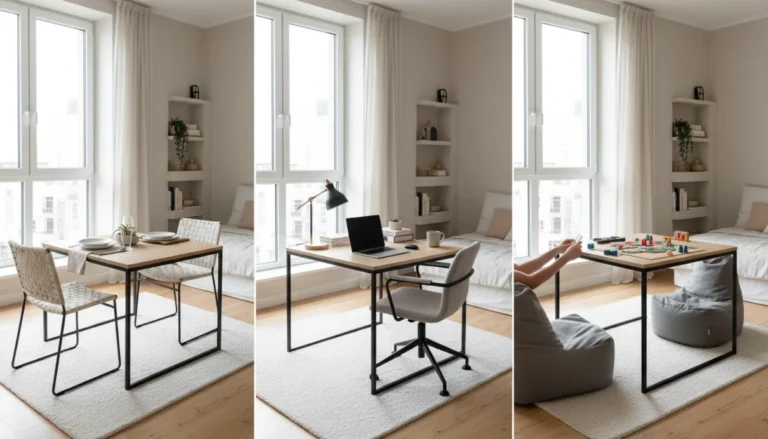
Furthermore, multifunctional designs have emerged as a vital trend in the renter-friendly furniture market. Renters often face spatial constraints and require innovative solutions that maximize utility without sacrificing style. As such, furniture that serves multiple purposes, like convertible couches and modular shelving units, is highly sought after. These designs allow renters to optimize their living spaces, adapt to various needs, and maintain a stylish environment conducive to both work and relaxation.For renters who need dining space without sacrificing floor area, try these space-saving foldable table ideas that work in studios, kitchens, and multipurpose rooms.
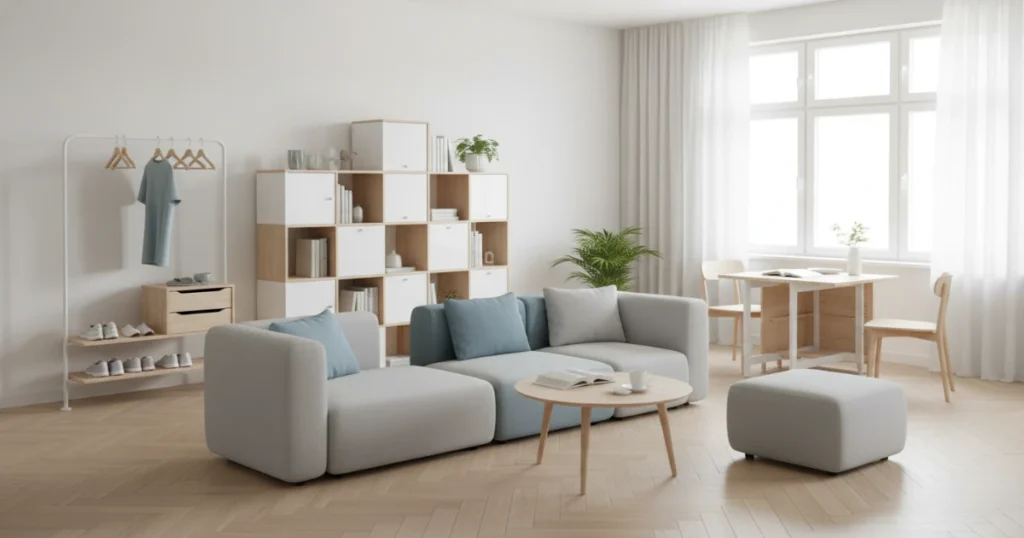
In addition to these practical considerations, the aesthetic appeal of renter-friendly furniture has not been overlooked. With a focus on creating a cozy yet sophisticated home environment, many manufacturers are now integrating trendy elements such as bold patterns and rich textures. This combination of form and function allows renters to express their individual styles while also addressing practical living requirements.
Moreover, the rise of online marketplaces has revolutionized how renters shop for furniture. With numerous platforms offering rental options or subscription services, the challenge of making long-term commitments is diminished. Renters can now easily access stylish, sustainable furniture without the concern of investing in permanent fixtures that could later be cumbersome to move. This flexibility aligns perfectly with the transient nature of renting, making it a popular choice among today’s consumers.
Top Brands Offering Renter-Friendly Solutions
As the demand for renter-friendly furniture continues to rise, several prominent brands have emerged to cater to this market. These companies are committed to creating stylish, practical, and innovative solutions that suit the diverse needs of renters. Below, we highlight a few leading brands that stand out for their unique offerings and dedication to renters.
One of the notable brands is Floyd. Floyd is renowned for its modular and customizable furniture that seamlessly fits into various spaces. Their furniture is designed with mobility in mind, allowing renters to easily relocate without the hassle of disassembling large pieces. All Floyd products are made with high-quality materials, ensuring durability while maintaining a chic aesthetic.
Burrow is another brand making waves in the world of renter-friendly furniture. Known for its innovative sofa systems, Burrow emphasizes convenience and style. Their affordably priced couches and chairs arrive in compact boxes, enabling easy transport and assembly. Additionally, many of their products can be customized with different colors and fabrics, catering to individual tastes and living spaces.
Wayfair has also expanded its offerings to include a range of renter-friendly options, featuring versatile furniture that is both stylish and budget-conscious. With an extensive online catalog, customers can select from various products designed to appeal to renters’ aesthetic preferences and practical needs. Wayfair’s commitment to affordability and variety makes it a go-to resource for individuals looking to furnish their rental spaces.
Lastly, IKEA remains a classic option that continues to capture the renter demographic. With its flat-pack solutions, IKEA provides affordability and functional design, perfect for renters who prioritize mobility without sacrificing style. The brand’s focus on compact and multifunctional furniture aligns perfectly with the limited space rental living often entails.
These brands exemplify the innovation and commitment to quality that renters seek, offering stylish furniture solutions that do not compromise on design or functionality.
Tips for Choosing Renter-Friendly Furniture
When selecting renter-friendly furniture, it is crucial to consider factors such as size, color schemes, durability, and budget. Given the often limited space in rental apartments, choosing the right size of furniture is essential. Furniture that is too large can overwhelm a room and make it feel cramped, while smaller pieces can help create a more open and inviting atmosphere. Measure your available space carefully before purchasing any item to ensure it fits perfectly within your home.
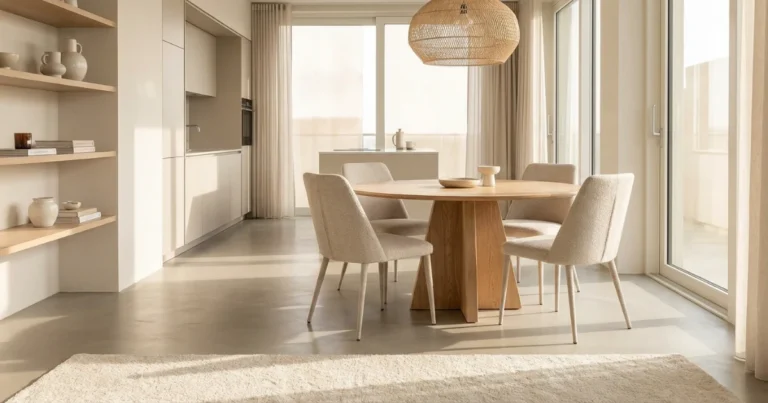
Color schemes also play a significant role in designing a harmonious living space. Opting for neutral colors can provide a versatile backdrop that works well with various styles and allows for easy coordination with different decorative accents. However, incorporating furniture pieces in bolder shades or patterns can add personality to your space, making it feel more unique without risking any permanent changes to the walls or fixtures.In small apartments, space-saving round dining sets often fit better than rectangular tables because they improve walkways and reduce awkward corner collisions.
Durability is another critical consideration, particularly for renters who may move frequently. It is advisable to invest in quality furniture that can withstand wear and tear and is easy to transport. Materials such as metal and high-quality fabric tend to offer extended lifespans. Moreover, modular furniture is an excellent choice for renters, as it can be rearranged and adapted to various layouts, making it easier to accommodate different spaces.
Budgeting is equally important when selecting furnishings for a rental property. Aim to allocate funds wisely, balancing the need for style without overspending. Consider shopping at thrift stores or looking for second-hand options, which can lead to more economical and unique finds. Affordable online retailers also provide a wide range of options that combine aesthetics with functionality, ensuring that renters can furnish their homes beautifully while remaining within budget.
DIY and Customization Options for Renters
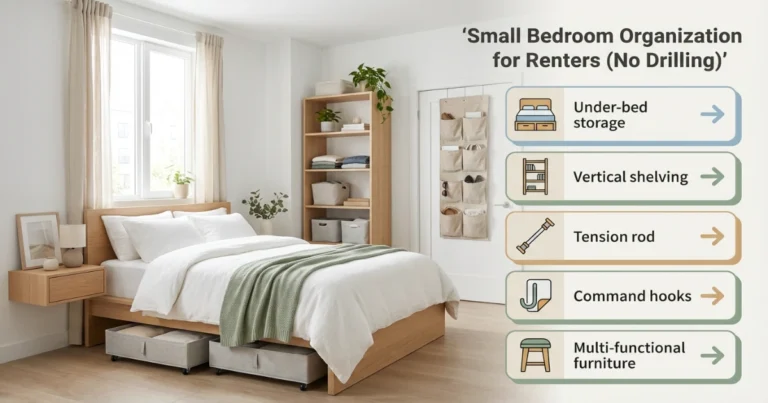
For many renters, the challenge of personalizing a temporary space often leads to a quest for creative solutions that reflect their individual style while still adhering to the constraints of lease agreements. DIY furniture projects, alongside customization tips, offer an excellent route to infuse a personal touch into your rented home.For the fastest renter-safe transformation, peel and stick decor lets you refresh walls, backsplashes, and surfaces without paint or permanent changes.
One effective way to accomplish this is through DIY furniture projects. These projects can range from simple decor enhancements, such as painting old furniture or reupholstering chairs, to more complex builds like creating a modular bookshelf or a custom coffee table. Utilizing readily available materials, such as plywood or reclaimed wood, allows renters to create aesthetically pleasing pieces tailored to their specific needs. Furthermore, DIY projects often provide a sense of satisfaction and accomplishment, which enhances the living experience.
Alternatively, renters can also explore customization opportunities for existing furniture. Incorporating peel-and-stick wallpaper or clever use of removable adhesive hooks can transform bland rental spaces into vibrant, welcoming environments. Accessorizing with colorful throw pillows, eclectic art pieces, or stylish rugs can create a unique ambiance that showcases one’s personality without risking damage to the property.To make rentals feel personal without changing the property, pair modular furniture with no-damage wall decor ideas that remove cleanly when you move.
Additionally, there are numerous online communities and resources dedicated to DIY furniture and home customization, offering tutorials and inspiration that cater specifically to renters. By engaging in these projects, renters not only become makers of their living spaces but also cultivate a deeper connection to their homes. Personalizing a rental can ultimately lead to a living environment that represents one’s identity and values, encouraging renters to embrace their home, even if it is temporary.
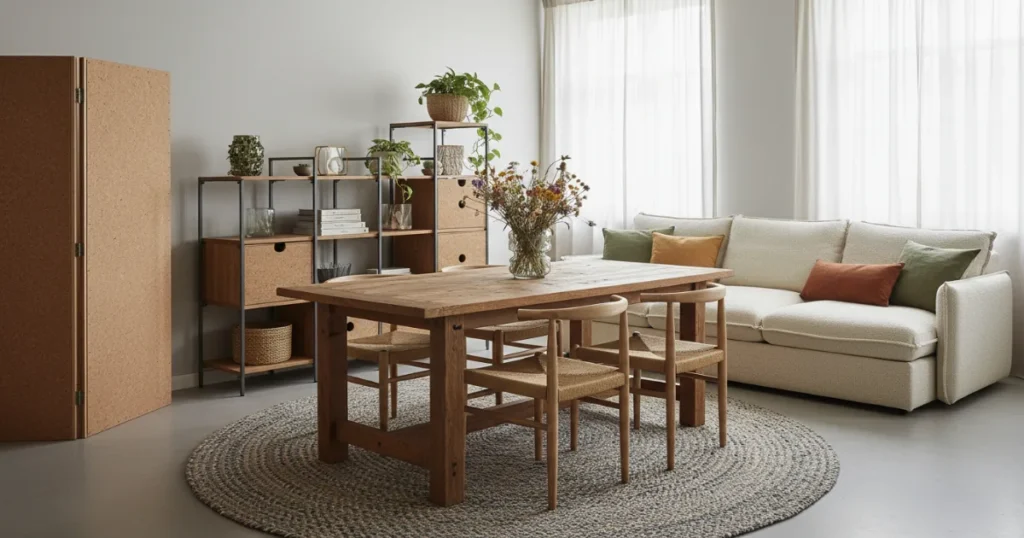
The Future of Renter-Friendly Furniture
The renter-friendly furniture market is poised for significant evolution in the coming years, driven by advancements in technology and shifts in consumer behavior. As more people opt for flexible living arrangements, the demand for innovative, multifunctional furniture is likely to explode. This shift will inevitably shape how furniture is designed, manufactured, and marketed, catering specifically to the needs of renters.
One of the most pivotal developments in this sector is the integration of smart technology into furniture pieces. With the rise of the Internet of Things (IoT), future furniture may seamlessly incorporate features such as charging ports, built-in speakers, and adjustable settings that can be controlled via smartphone applications. This trend not only caters to tech-savvy renters but also enhances the functionality of small living spaces, allowing for a more efficient use of resources.
In addition to the technological advancements, the changing demographics of renters—characterized by younger, urban populations—are influencing design and functionality. As millennials and Gen Z continue to dominate the rental market, there is a growing preference for designs that are aesthetically pleasing yet practical. Furniture that can easily adapt to different spaces or serve multiple purposes will likely see increased demand. For instance, modular furniture that can be easily rearranged or expanded will cater to those who frequently relocate or downsize.
Moreover, eco-conscious consumers are likely to look for sustainable materials and production practices. As a result, brands may pivot towards using recycled materials, creating furniture that is both stylish and environmentally responsible. This not only addresses the ethical concerns of consumers but also positions brands as forward-thinking in an increasingly competitive market.
In summary, the future of renter-friendly furniture will be shaped by a blend of technology, evolving consumer demographics, and increased focus on sustainability. Success in this sector will depend on the ability of brands to anticipate these trends and develop innovative solutions that cater to the diverse needs of today’s renters.
Real-Life Success Stories: Renter Transformations
In an era where aesthetic appeal and functionality must coexist, many renters have successfully transformed their living spaces with innovative furniture choices tailored to their specific needs. Consider the case of Sarah, a young professional living in a compact city apartment. Faced with limited square footage, she opted for a multifunctional sofa bed with built-in storage. This decision not only conserved valuable space but also added a touch of modern elegance to her living area. By selecting neutral colors combined with vibrant throw pillows, Sarah curated a lively yet sophisticated environment that reflected her personal style.
Another inspiring example comes from Mark and Lisa, a couple residing in a rented downtown loft. Understanding the transient nature of their living situation, they embraced modular furniture. Their choice of a modular coffee table allowed them to rearrange their living space effortlessly based on their needs. They also incorporated wall-mounted shelves, providing additional storage without compromising floor space. This strategic furniture arrangement made their loft feel more expansive while demonstrating that renter-friendly options can enrich aesthetic appeal.
Similarly, Jessica, an art enthusiast, showcased her creativity using renter-friendly solutions. She selected lightweight, mobile furniture that could be easily reconfigured for hosting art gatherings. By using vibrant accent chairs paired with easily removable wall decor, she transformed her space into a lively gallery. Jessica’s approach highlights the possibility of personalization in rental properties, all while respecting lease agreements. These transformations collectively illustrate that with the right furniture choices, renters can create spaces that are not only practical but also reflect their individuality, proving that stylish living and compromise are not mutually exclusive.
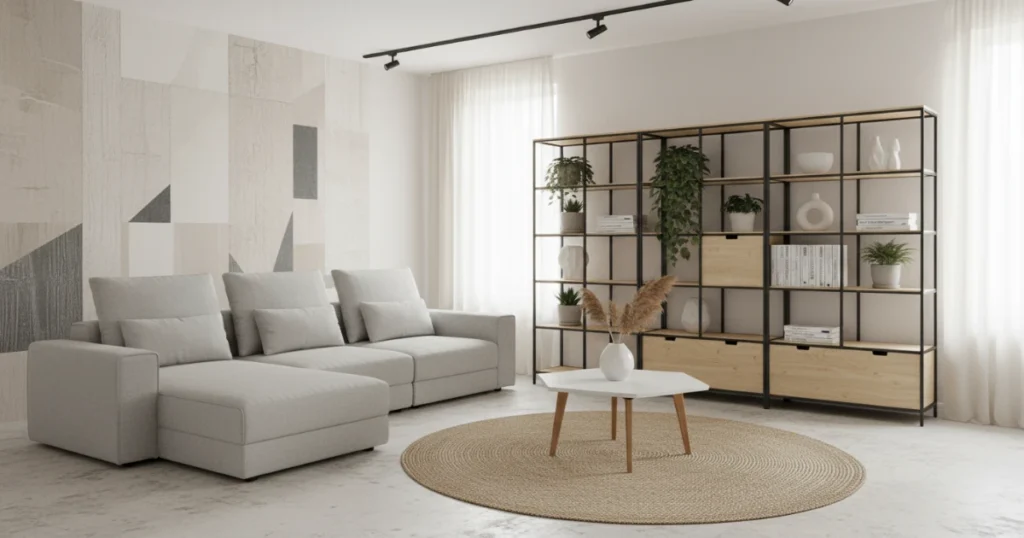
Final words on renter friendly furniture ideas
The evolving landscape of housing has led to a significant cultural shift, where the renter lifestyle is increasingly embraced and celebrated. This acceptance is mirrored in the design of renter-friendly furniture, which prioritizes flexibility and functionality without compromising on style. In 2026, renters are now presented with a plethora of innovative furniture solutions that cater to their unique needs, allowing them to personalize their spaces while adapting to the constraints often associated with rental agreements.
Modern furniture designs are not only aesthetically pleasing but also practical, enabling renters to create a home environment that reflects their personality. From modular sofas that can be rearranged as needed to storage solutions that maximize limited space, the options available show an understanding of the renter’s lifestyle. Companies are increasingly acknowledging that renters deserve to inhabit stylish and functional spaces, leading to creative solutions that are both portable and versatile.
This shift in thinking has profound implications for how society views rental living. No longer seen as a temporary solution, renting is gradually becoming a long-term lifestyle choice for many. This evolution brings with it the opportunity to invest in high-quality, renter-friendly furniture that not only enhances living spaces but also supports a more sustainable lifestyle, as many of these pieces are designed to be reused and repurposed.
By embracing the renter lifestyle, individuals can enjoy the freedom and flexibility that comes with it. The intersection of stunning design and practical utility in furniture opens up a world of possibilities, encouraging renters to thrive in their temporary homes without sacrifice. Ultimately, stylish living is no longer reserved solely for homeowners; it is accessible to everyone, reaffirming the value of creativity and resourcefulness in crafting a beautiful living environment.
Frequently Asked Questions About Renter-Friendly Furniture
What is renter-friendly furniture?
Renter-friendly furniture refers to lightweight, modular, and easy-to-assemble furniture designed specifically for people living in rental homes. These pieces are made to be moved easily, require no permanent installation, and adapt well to different apartment layouts without causing damage.
Is renter-friendly furniture worth buying?
Yes, renter-friendly furniture is worth buying because it offers long-term flexibility, saves money during moves, and reduces stress when changing apartments. Its adaptable design makes it suitable for multiple living spaces, unlike traditional furniture that may not fit future homes.
What furniture is best for renters in small apartments?
The best furniture for renters in small apartments includes modular sofas, storage beds, foldable dining tables, nesting tables, and multifunctional shelving units. These pieces maximize space while remaining easy to move and reconfigure.
What materials are best for renter-friendly furniture?
Lightweight yet durable materials such as engineered wood, metal frames, high-quality fabric, and recycled materials are best for renter-friendly furniture. These materials balance portability, affordability, and durability, making them ideal for frequent moves.
Can renters customize furniture without damaging the apartment?
Yes, renters can customize furniture and living spaces using peel-and-stick wallpaper, removable decals, adhesive hooks, and modular furniture accessories. These options allow personalization without violating lease agreements or causing permanent damage.
Is modular furniture good for renters?
Modular furniture is excellent for renters because it can be rearranged, expanded, or downsized to fit different apartments. It adapts easily to changing layouts and offers long-term usability across multiple rental homes.
How do renters furnish an apartment on a budget?
Renters can furnish an apartment on a budget by choosing multifunctional furniture, shopping second-hand, buying flat-pack furniture, and prioritizing essential pieces first. Online marketplaces and rental-friendly brands also offer affordable options without sacrificing style.
What are the best renter-friendly furniture brands in 2026?
Some of the best renter-friendly furniture brands in 2026 include IKEA, Burrow, Floyd, and Wayfair. These brands focus on modular designs, easy delivery, simple assembly, and furniture suited for temporary living spaces.
Does renter-friendly furniture last long?
Yes, high-quality renter-friendly furniture can last for years if made with durable materials and proper construction. Many modular and multifunctional pieces are designed for repeated use across multiple moves.
Is renter-friendly furniture sustainable?
Many renter-friendly furniture options are sustainable because they use recycled materials, modular components, and long-lasting designs. This reduces waste and supports environmentally conscious living, which is increasingly important to modern renters.