Best Suction Cup Hooks for Tile Without Drilling
Suction cup hooks for tile can be one of the cleanest no-drill storage choices for renters when the tile is smooth, glazed, non-porous, clean and dry. The catch is that suction depends on an airtight seal, so grout lines, texture, soap film and porous tile can turn a good hook into a frustrating one.
Quick Answer
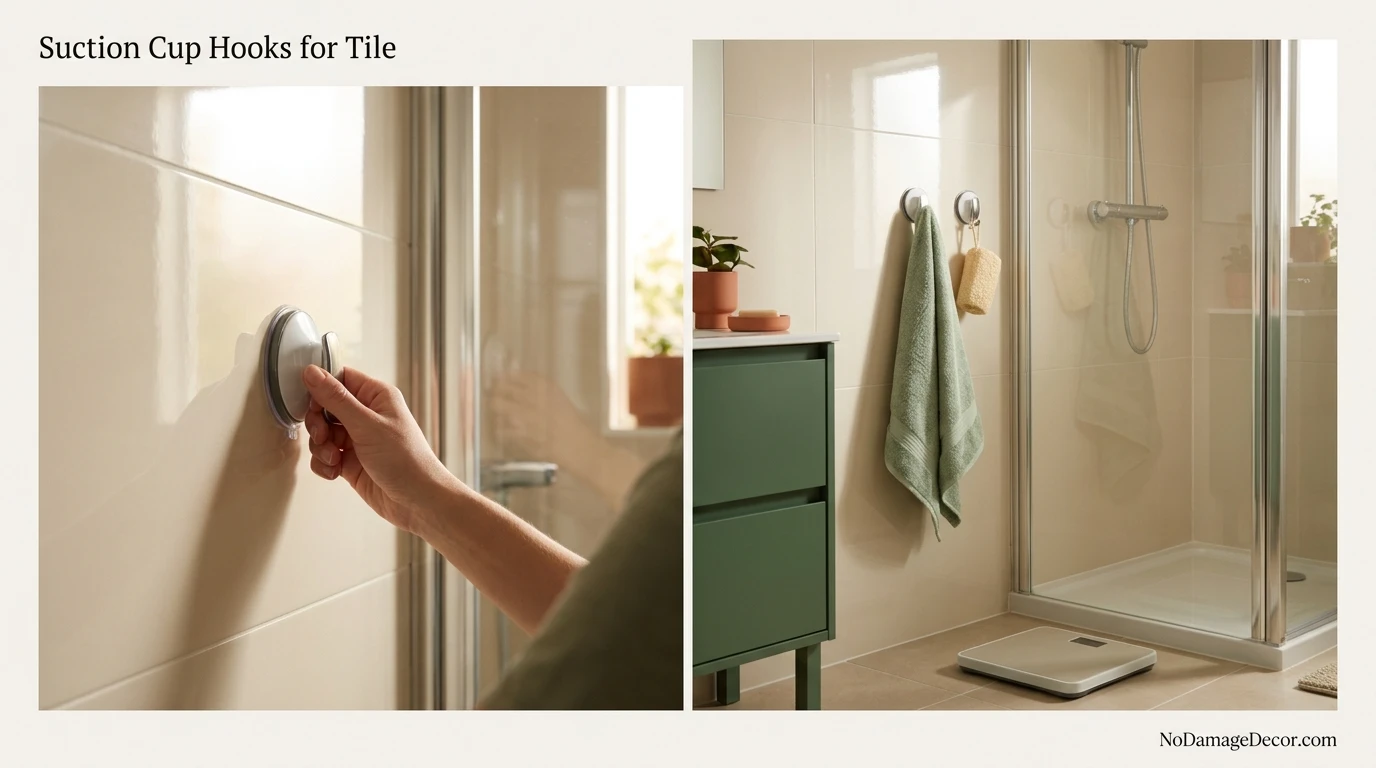
Choose suction cup hooks for tile when you have large, smooth, glossy glazed ceramic or porcelain tile with enough uninterrupted surface area for the full suction base. Clean and dry the tile first, keep the entire cup off grout lines, and use the hook for light, non-fragile bathroom essentials. Avoid rough, textured, porous, unfinished or cracked surfaces unless the exact manufacturer specifically approves them.
At a Glance
Which Tile Surfaces Work Best With Suction Cup Hooks?
A suction cup does not “stick” in the same way adhesive does. It needs the flexible cup to seal against a surface so air cannot easily leak underneath. That makes surface texture and porosity more important than the word “tile” by itself.
OXO’s current StrongHold Suction Hook guidance recommends smooth, non-porous surfaces such as glass, mirrors and glazed tile, and does not recommend textured or porous surfaces. TAILI similarly says its suction hooks work on smooth, non-porous materials such as glass, tile, marble and stainless steel, while warning against uneven tile and breathable or porous surfaces.
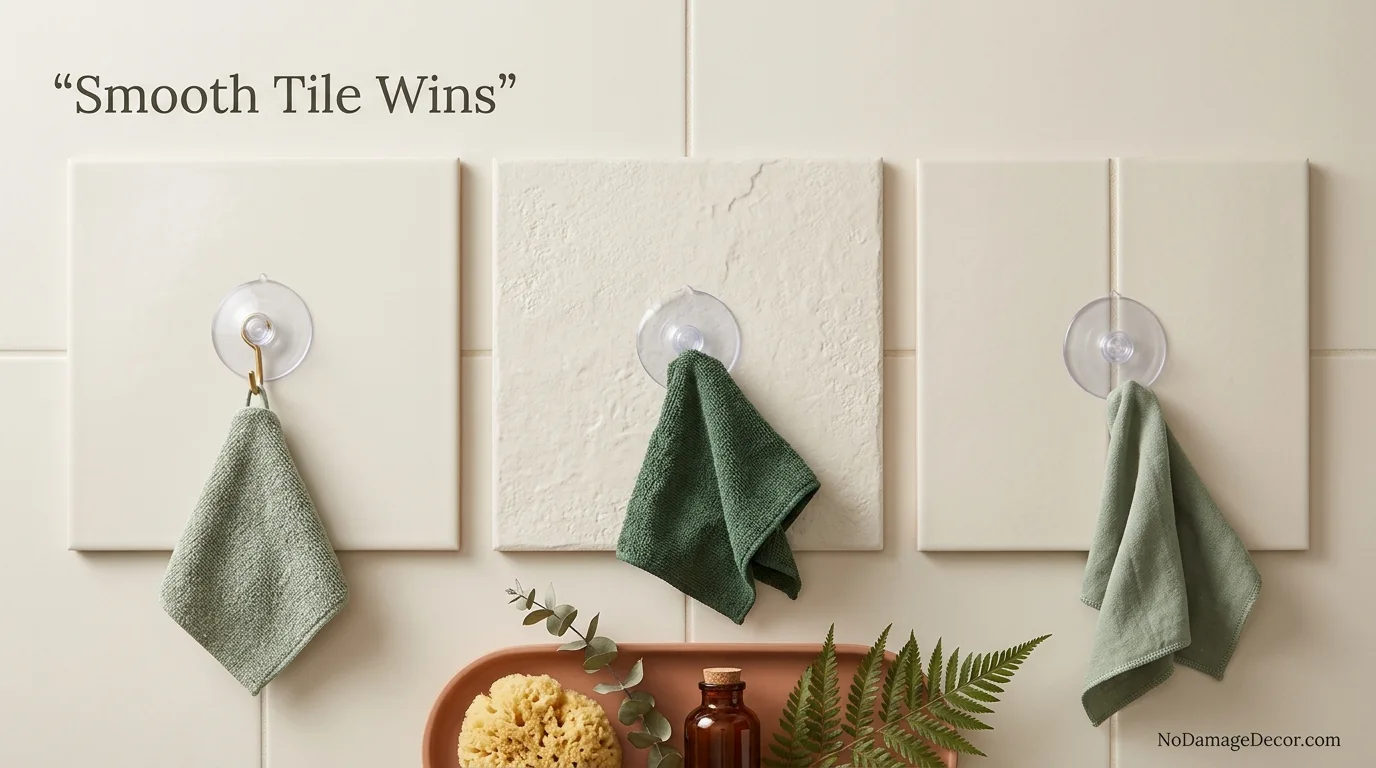
| Tile or surface | Suitability | Renter-conscious guidance |
|---|---|---|
| Smooth glossy glazed ceramic tile | Strong candidate | Use the full suction base on one clean, dry tile, away from grout. |
| Smooth glazed porcelain tile | Strong candidate | Often ideal when the glaze is flat and non-porous. |
| Glass shower panel or mirror | Strong candidate | Common manufacturer-approved suction surfaces; still clean and dry first. |
| Matte tile with very fine texture | Uncertain | Do not assume “matte” equals smooth. Test the seal with a light, non-fragile item only if the manufacturer allows the surface. |
| Textured, 3D or heavily embossed tile | Poor candidate | Surface relief can prevent an airtight seal. |
| Grout joint | Avoid | Do not bridge the cup across grout; place the whole base inside one tile. |
| Unfinished or porous natural stone | Usually avoid | Porosity and texture can allow air leakage; follow the exact hook manufacturer’s surface list. |
| Cracked, loose or damaged tile | Avoid | Do not use storage hardware to hide a maintenance issue. Report loose or damaged tile to management. |
Why Suction Cup Hooks Keep Falling Off Tile
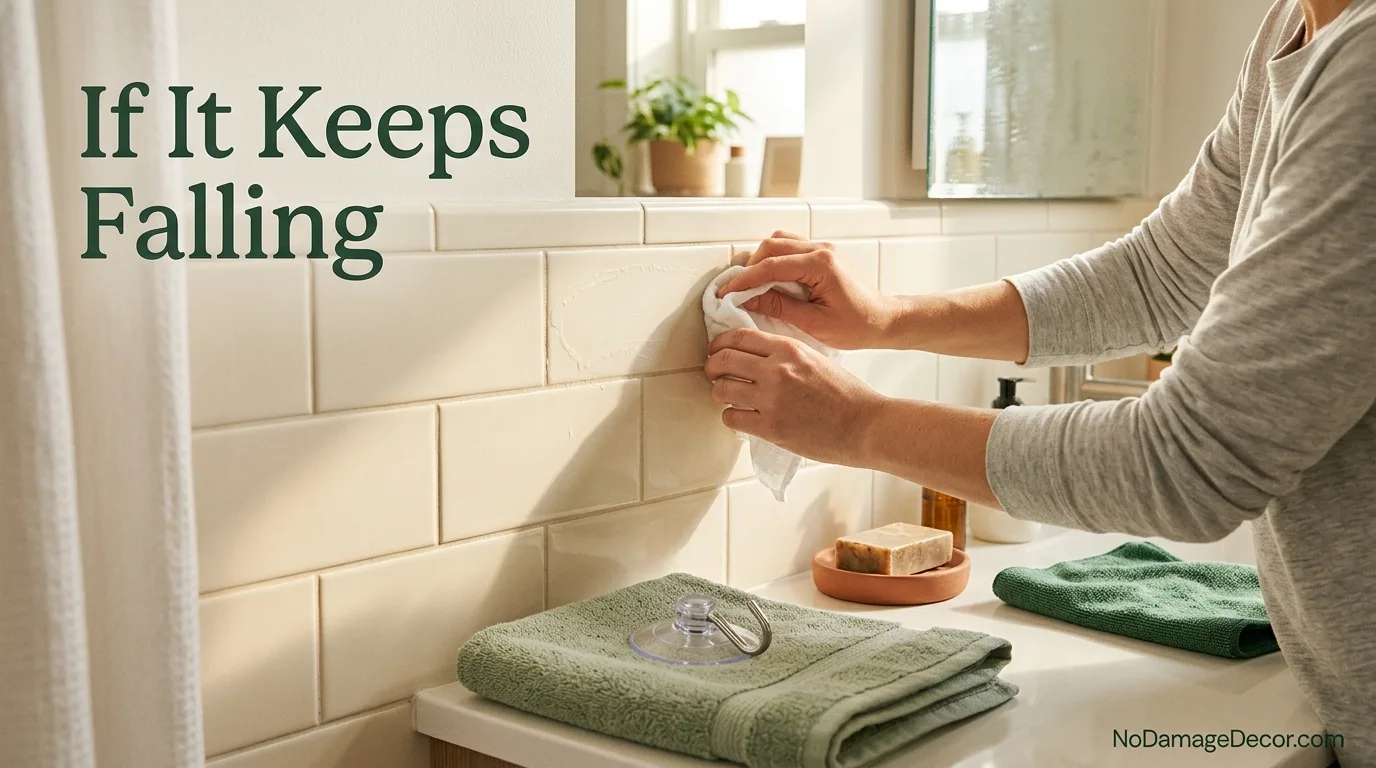
Most suction-hook failures are not mysterious. Air gets back under the cup. The question is how. In rental bathrooms, the usual causes are surface texture, residue, water trapped during installation, grout under the cup, an overloaded hook, or a suction cup that has become misshapen or dirty.
Soap film or cleaner residue
A tile can look clean while still carrying a thin film from body wash, conditioner or bathroom cleaner. That film can interfere with direct cup-to-tile contact.
Moisture during installation
Bathroom hooks may be designed for wet rooms, but manufacturers such as TAILI still direct users to clean and dry the mounting surface before installation.
Texture or grout leakage
Tiny gaps under the edge of the cup let air slowly enter. The hook may feel solid at first and then release hours later.
Too much leverage
A heavy towel, swinging bag or item that projects far from the wall can create more pull than a compact lightweight item sitting close to the surface.
Worn or distorted cup
A suction base that is curled, hardened, dirty or permanently deformed may no longer conform closely enough to the tile to maintain a vacuum.
Wrong surface category
Painted walls, unfinished stone and porous surfaces may look flat but behave very differently from glazed tile or glass.
What Should Renters Hang on Suction Hooks?
The safest suction-hook use is a low-consequence item: lightweight, non-breakable, easy to replace and unlikely to injure anyone if the seal eventually releases. This matters even when a manufacturer publishes a higher maximum load. The number is a product limit under specified conditions, not a reason to push a removable bathroom hook to its edge.
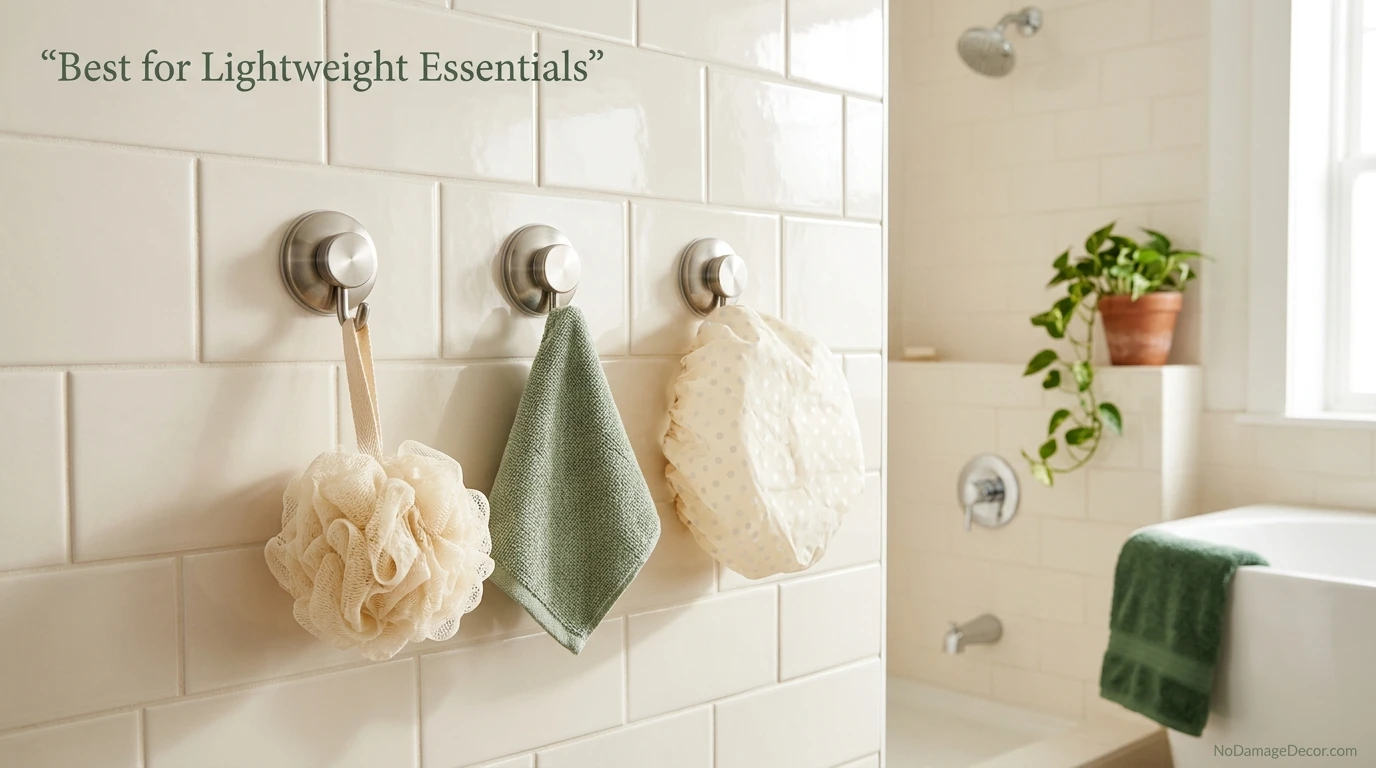
The item is light and non-fragile
- Loofahs and bath puffs
- Shower caps
- Small washcloths
- Lightweight squeegees
- Empty toiletry bags
- Small non-breakable accessories
A sudden release would be costly or unsafe
- Glass shelves or mirrors
- Heavy bottles above a tub or foot area
- Valuable electronics
- Large storage baskets filled with toiletries unless the complete system is manufacturer-rated for it
- Anything above a crib, bed or seated person
- Items used as a grab bar, handhold or body-support device
For a bathroom where suction is not a good match, see our no-drill bathroom storage guide and renter-friendly bathroom decor ideas.
How to Install a Suction Cup Hook on Tile
Follow the exact instructions for your hook. Lever, push-lock and twist-lock designs create the vacuum differently. The sequence below is the renter-conscious setup that matches the core requirements repeated by current manufacturers: suitable smooth surface, clean contact area, dry installation and full sealing pressure.
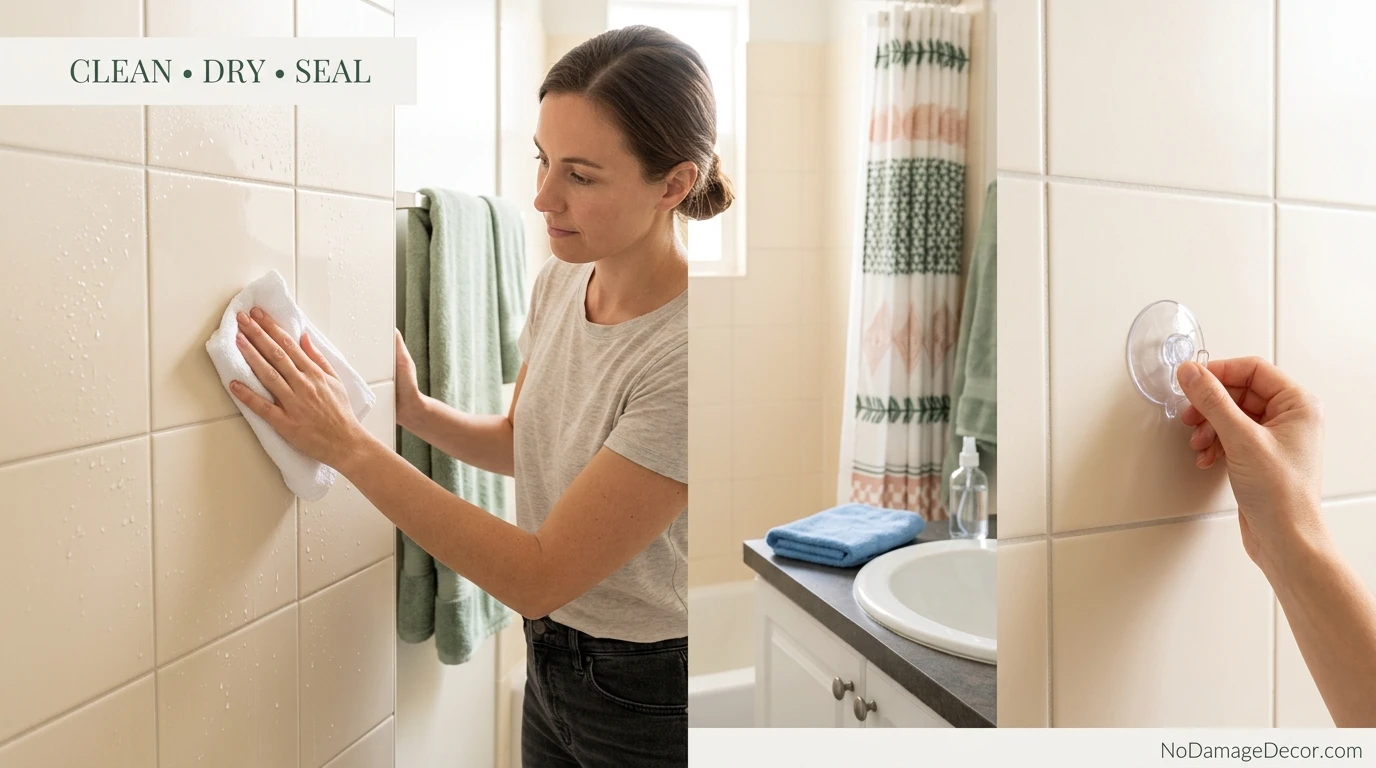
Choose one uninterrupted tile
Hold the suction base against the tile before cleaning. The entire sealing edge should sit on smooth tile—not on grout, beveled edges, decorative relief or a crack.
Remove soap film and grease
Clean the area using the method allowed by the hook manufacturer and your tile finish. The goal is a residue-free contact area. Avoid leaving polish, wax or oily cleaner behind.
Dry the tile completely
Even waterproof suction hooks generally need a clean, dry surface during installation so the cup can make direct contact and form its initial seal.
Inspect the suction cup
Make sure the flexible sealing surface is clean, undamaged and free of hair, lint or mineral deposits. If the manufacturer provides cleaning or reconditioning instructions, follow those rather than improvising with solvents.
Press or lock it exactly as designed
Some products use a push mechanism; others use a twist or lever. Apply even pressure and complete the lock cycle. Do not add glue, caulk or an unapproved adhesive underneath a reusable suction cup.
Check the seal before loading
Gently test the hook with your hand. If the edge lifts, the base rotates unexpectedly or the cup does not sit flush, remove and reset it instead of loading it.
Start with a light item
Use a low-consequence item first and monitor the hook. In a rental, conservative loading is more useful than proving the maximum possible capacity.
Best Suction Cup Hooks for Smooth Tile
These options were selected because the products can be matched to real Amazon ASINs and the manufacturers publish relevant surface or load guidance. No price, rating, stock or review-count claims are used here because those can change.
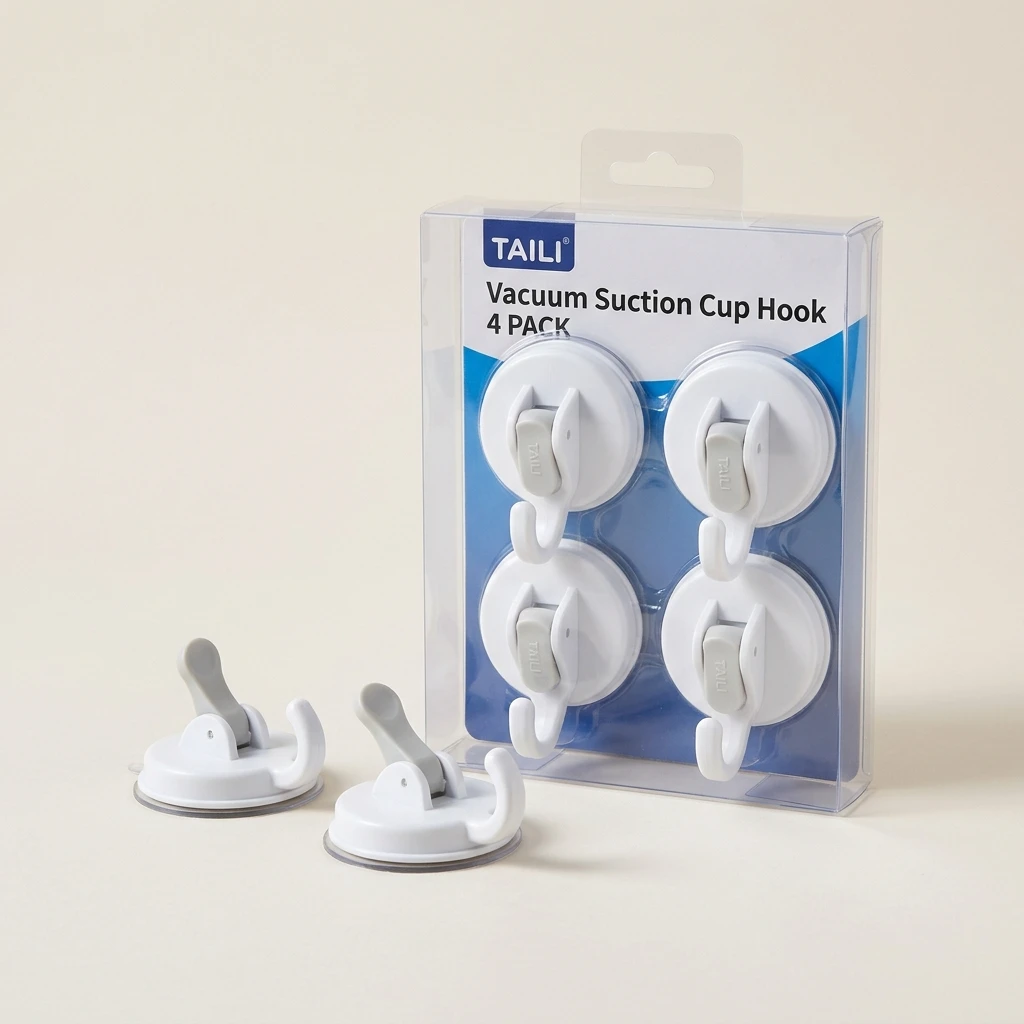
TAILI Suction Cup Hooks 4 Pack, White
TAILI’s current manufacturer guidance says its suction cup hooks work on smooth, non-porous surfaces such as glass, mirror, tile, marble and stainless steel. The company also states a capacity of up to 5 kg / 11 lb for this suction-hook design and instructs users to clean and dry the surface before installation.
Limitation: TAILI specifically warns against uneven tile, unfinished marble, wallpaper, painted walls and other unsuitable surfaces. Treat the published capacity as a maximum under the product’s stated conditions, not a recommended everyday renter load.
Check Price on Amazon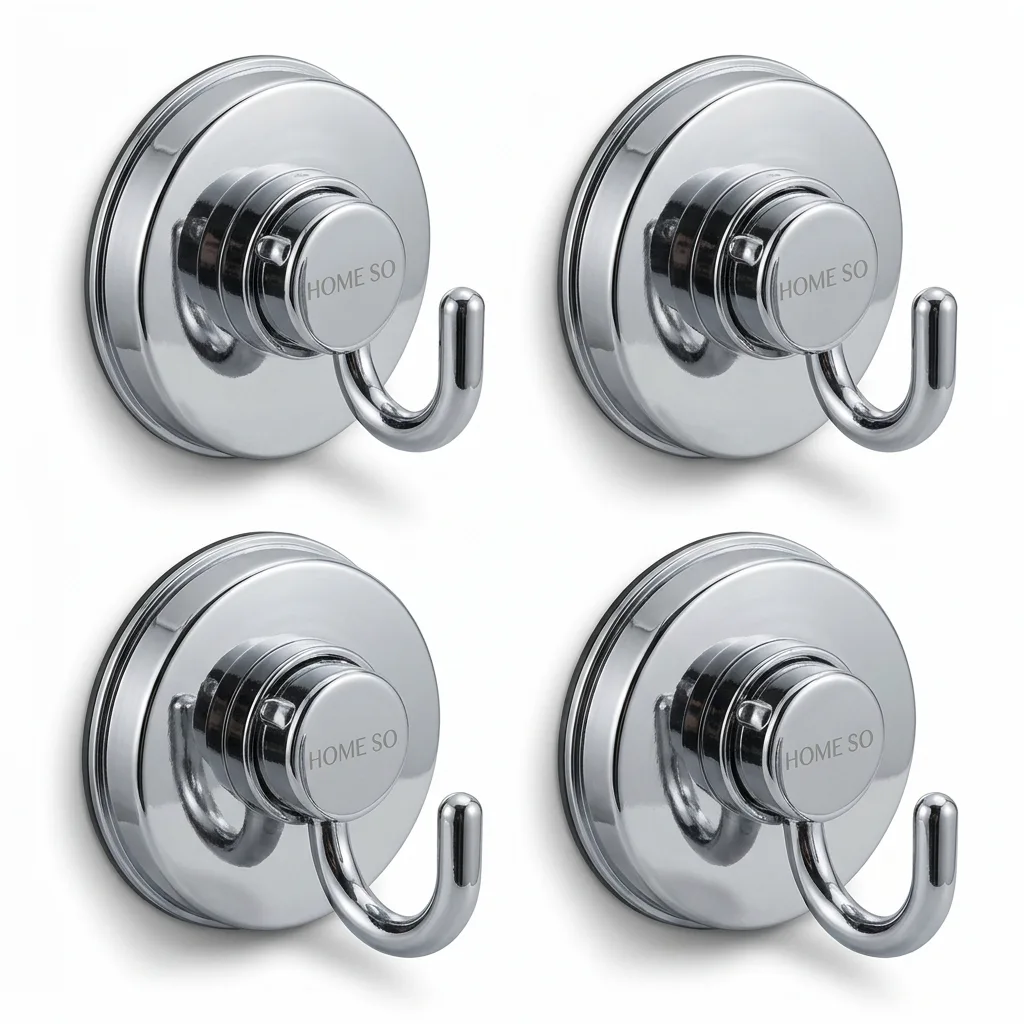
HOME SO Suction Cup Hooks for Shower & Bathroom Towel Holder 4-Pack, Chrome
HOME SO’s current product information describes twist-and-lock suction hooks for smooth, non-porous surfaces including tile, glass and mirrors and states support up to 15 lb. The brand positions the hooks for bathroom and kitchen use and describes them as waterproof and rustproof.
Limitation: listings for this product family may mention optional adhesive mounting discs for surfaces where suction alone is unsuitable. For renters, do not add an adhesive disc to painted or finished property surfaces unless the lease allows it and the disc manufacturer specifically approves that surface.
Check Price on AmazonTAILI vs. HOME SO Suction Hooks
| Feature | TAILI 4-Pack | HOME SO 4-Pack |
|---|---|---|
| Mount style | Push-style vacuum suction design | Twist & Lock vacuum suction design |
| Manufacturer-listed tile suitability | Smooth, non-porous tile; also glass, mirror, marble and stainless steel | Smooth, non-porous tile; also glass and mirrors |
| Published maximum | Up to 11 lb / 5 kg for the manufacturer’s suction-hook design | Up to 15 lb according to current HOME SO product information |
| Best renter use | Loofah, washcloth, shower cap, light towel or accessory | Light towel, robe, loofah or similar non-breakable accessory |
| Main caution | Manufacturer excludes uneven tile and several porous/painted surfaces | Needs a smooth non-porous seal; optional adhesive discs create a separate surface-risk question |
The listed maximums come from manufacturer/product information. In a renter-safe setup, choose a much lighter, non-fragile item rather than treating maximum capacity as a target.
Common Suction Hook Mistakes on Bathroom Tile
Mounting across a grout line
A grout joint can interrupt the sealing edge and slowly leak air under the cup. Reposition the hook so the full vacuum base sits inside one tile.
Installing on a wet wall
A bathroom product can be waterproof in use while still requiring a dry surface during setup. Clean, dry and then lock the cup.
Ignoring soap film
Conditioner, soap and cleaner residue can make a glossy tile look clean while reducing direct contact. If hooks keep dropping, clean the sealing zone again.
Using the hook on textured tile
A beautiful stone-look or textured tile can be the wrong suction surface even if it feels hard and durable. Suction needs airtightness, not just strength.
Loading a fresh seal immediately with something heavy
Follow the exact product instructions. Even when there is no stated wait time, begin with a light, non-fragile item and verify that the lock is fully engaged.
“Fixing” a weak cup with permanent glue
Adding construction adhesive, caulk or unapproved glue defeats the renter-friendly reason for choosing suction and can create a much harder move-out repair.
For broader rental mistakes that can create avoidable move-out issues, see deposit-costing decor mistakes.
What If Your Tile Is Textured or Too Small?
If suction will not seal, changing the hook usually will not fix the underlying surface. Choose a storage method designed for the actual tile and lease conditions instead of repeatedly increasing suction strength.
Over-door or tension-based storage
These options can avoid tile contact completely. Check that they do not damage trim, interfere with door closure or overload a shower frame.
Water-resistant removable adhesive systems
Some bathroom-specific removable adhesive products are designed for tile and humid conditions. They are not the same as suction, and removal risk depends on the exact surface and manufacturer instructions.
Freestanding shower storage
A floor caddy, corner stand or countertop organizer is often the lowest-contact solution if tile texture makes every wall-mounted option unreliable.
Drilling into tile
Do not drill a rental bathroom wall without written property approval. Tile, waterproofing layers and hidden plumbing make this more than a cosmetic decision.
If you want more no-hole solutions, continue with no-drill bathroom storage or our broader no-damage wall decor ideas.
Sources & Renter-Safety Note
Surface compatibility and numerical limits in this guide come from current manufacturer information. Suction performance varies with tile finish, cleanliness, cup condition, installation quality and load shape, so always follow the exact instructions for the product you buy.
- OXO StrongHold™ Suction Hook — smooth glazed tile and non-porous surface guidance
- TAILI Suction Cup Hook — surface, installation and capacity guidance
- HOME SO Suction Cup Hooks — smooth non-porous surface and twist-lock guidance
Lease rules vary. If you move from suction to adhesive or drilled hardware, check your lease and ask management in writing before making a permanent change.
FAQs About Suction Cup Hooks for Tile
Do suction cup hooks work on bathroom tile?
They work best on smooth, flat, non-porous glazed tile. Glossy ceramic and porcelain tile are usually better candidates than textured, porous or unfinished surfaces. Keep the whole suction base away from grout.
Why does my suction cup hook keep falling off tile?
Common causes include soap film, moisture during installation, texture, grout under the sealing edge, a dirty or distorted cup, or too much weight and leverage. Clean and dry the tile and cup, move to a fully smooth tile, and reinstall using the exact locking method.
Can suction hooks go over grout lines?
Avoid placing the sealing edge over grout. Grout can interrupt the airtight contact needed for suction, so the full base should sit on one uninterrupted tile whenever possible.
Will suction cups damage glazed tile?
Suction-only products do not require drilling or adhesive, which can reduce surface alteration, but no mounting method should be called universally risk-free. Keep the cup clean, avoid abrasive grit, and remove it using the manufacturer’s release method rather than dragging it across the glaze.
Can I hang a heavy robe on a suction cup hook?
Only if the exact hook, surface and installation fall within the manufacturer’s current load guidance. For renters, a light towel or robe is a more conservative use than pushing the hook near its maximum rating, especially in a wet area.
Can I use suction hooks on matte porcelain tile?
Maybe, but matte tile varies. Some matte tile is smooth enough to seal, while other finishes have microtexture that leaks air. Check the exact hook’s approved surfaces and test only with a lightweight, non-fragile item.
Should I wet a suction cup before installing it?
Do not assume wetting helps. Current TAILI guidance emphasizes cleaning and drying the mounting surface before installation. Follow the instructions for the exact suction hook you own because mechanisms differ.
A Strong No-Drill Choice—If Your Tile Is Truly Smooth
Suction cup hooks for tile are a good renter-conscious option for lightweight bathroom storage on smooth glazed tile because they can be installed without drilling and without leaving adhesive behind. Their biggest limitation is not “suction strength”; it is surface compatibility. A small texture, grout line or residue layer can defeat the seal.
Choose suction for low-consequence items and inspect the hook occasionally. Avoid heavy, fragile, valuable or injury-risk loads. If your tile is textured, porous, damaged or too small for the suction base, move to a different no-drill storage method instead of forcing the cup to work.
Need More Bathroom Storage Without Drilling?
Compare suction, tension, over-door and other renter-conscious bathroom storage ideas when your tile or layout needs a different approach.
See No-Drill Bathroom Storage Ideas