Renter-Friendly Window Draft Proofing: Low-Risk Ways to Stop Cold Air
Cut the chill around apartment windows without jumping straight to permanent caulk, new hardware, or a repair that could create a lease problem.
For most renters, start by locating the actual air leak, checking the lease, and choosing the least permanent method that fits the leak. Weatherstripping works at movable joints, heat-shrink film creates a seasonal interior barrier, and removable weatherstrip sealant can close specific stationary gaps when its instructions match your surface. Avoid permanent caulk, aggressive tape, or sealing a window you may need to open until management approves it.

At a Glance
First, Diagnose Where the Draft Is Coming From
A cold window does not automatically mean air is leaking through the same place you feel the chill. Glass can feel cold by conduction, while true drafts usually enter through a gap at an operable sash, meeting rail, worn weatherstripping, or the joint around the frame.
On a windy day, close and lock the window normally. Move a lightweight tissue slowly around the perimeter of the sash, the meeting rail, the lower sill area, and the interior trim. Visible movement helps you narrow the problem without using a flame or smoke source. Also listen for whistling and check whether the sash visibly rattles.
If the strongest airflow is between parts of the window that are meant to move, weatherstripping is generally the right category to investigate. The U.S. Department of Energy describes weatherstripping as an air-sealing method for movable joints such as operable windows and doors. If the gap is between stationary building components, caulk may be appropriate—but in a rental, permanent caulking is usually a maintenance or written-permission decision rather than the first DIY move.

Check the Lease, Window Operation, and Surface Condition
Before sticking tape or weatherstripping to painted trim, look at the condition of the finish. Adhesive removal is more likely to become messy when paint is already loose, brittle, chalky, poorly bonded, or recently applied. A product can be marketed as removable and still pull off a weak coating underneath it.
Choose a temporary method when…
The window and trim are sound, the lease allows temporary weatherization, and you can still meet ventilation and egress needs.
Avoid adhesive when…
Paint is peeling, trim is delicate or historic, the surface is dirty or damp, or the exact product does not list your surface as suitable.
Ask management when…
The sash is broken, the frame is loose, the leak appears structural, a lock no longer pulls the sash tight, or permanent caulk/repair is needed.
Also decide whether the window must remain operable. Interior shrink film spans the inside of the frame and normally makes that opening unavailable until the film is removed. Seasonal peel-away sealant can do the same if it bridges an operable joint. Do not block a required emergency escape opening or a window you rely on for ventilation; if you are unsure, check the lease and local requirements before covering it.
Which Window Draft-Proofing Method Makes Sense for a Renter?
The best renter choice is not the strongest adhesive. It is the least permanent method that solves the specific leak without creating a bigger surface, operation, moisture, or move-out problem.
| Method | Best use | Why renters consider it | Main caution |
|---|---|---|---|
| Heat-shrink interior window film | Seasonal barrier across the inside of a drafty window | Removable at season end and adds a sealed air layer across the opening | Uses perimeter tape; window generally cannot be opened while film is installed |
| Adhesive weatherstripping | Air leakage at movable sash joints | Targets the joint instead of covering the whole window | Wrong thickness can interfere with closing; adhesive can affect weak paint |
| Removable weatherstrip sealant | Specific stationary seasonal gaps around a window or joint you will not operate | Designed to peel away when no longer needed | Follow the current label/SDS, surface guidance, ventilation instructions, and removal directions |
| Permanent caulk | Stationary cracks that are actually part of building maintenance | Can properly air-seal fixed gaps when correctly specified | Usually not a renter-first modification; get written approval or ask maintenance |
| Existing-rod thermal curtain | Reducing the sensation of cold near glazing | No adhesive is needed if you already have an approved rod | It does not repair an actual air leak; keep heaters, vents and radiators clear |
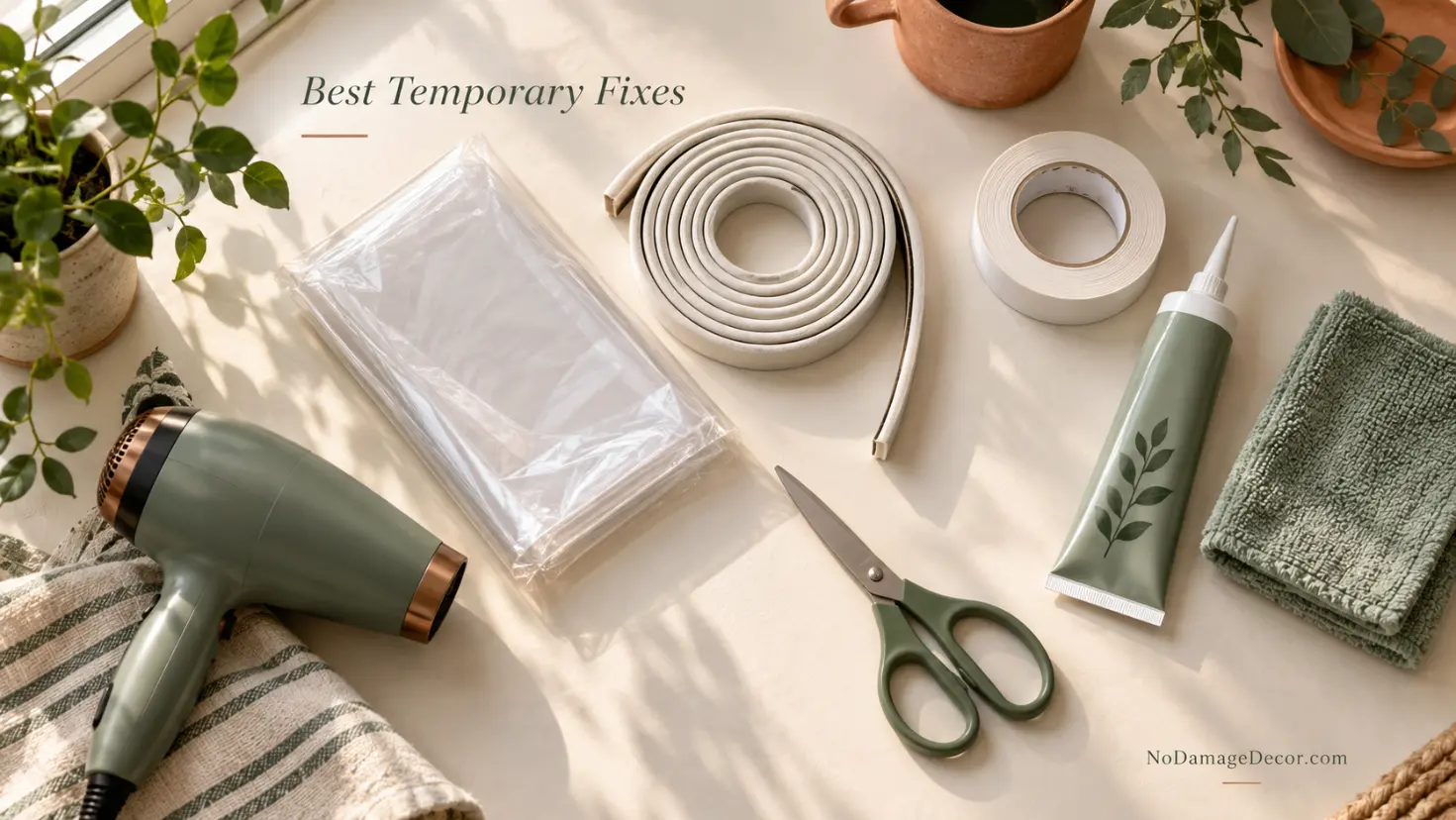
A Low-Risk Installation Process for Renters
Exact installation steps vary by product, so the package instructions always take priority. This process is the renter-safety layer around those instructions: it helps you avoid applying a reasonable product to the wrong window, finish, or situation.
Confirm the leak and document the starting condition
Take a few clear photos of the trim, sash, sill, and any existing paint chips or cracks. This gives you a move-in/move-out record and stops you from accidentally taking responsibility for pre-existing damage.
Read the lease before altering the window
Look for clauses covering adhesives, window coverings, weatherization, exterior appearance, ventilation, and alterations. If the wording is unclear, ask management in writing and keep the reply.
Inspect paint and surface condition
Do not place mounting tape over loose or visibly failing paint. If the product instructs you to test a hidden area first, do that. If the finish looks fragile, skip adhesive and request repair guidance.
Clean and dry only as the product directs
Dust, grease, condensation, and household cleaner residue can weaken adhesion. Use the cleaning method recommended by the exact manufacturer and let the surface dry fully before installation.
Install without covering hardware you need
Keep locks, handles, blinds, cords, sensors, and required vents in mind. Do not seal over a mechanism you need to operate. With shrink film, place tape only where the kit instructions allow and keep the film smooth enough to avoid unnecessary stress on corners.
Heat-shrink film cautiously
For film systems that use a hair dryer, follow the manufacturer’s distance and technique rather than concentrating heat on one point. The goal is to tension the film, not overheat paint, vinyl, gaskets, or the film itself.
Check the window after the first cold night
Look for tape lifting, trapped moisture, unexpected condensation, interference with blinds, or new difficulty at nearby hardware. Stop and remove the temporary system if it is creating a surface or moisture problem.

Verified Product Options for Seasonal Window Draft Proofing
These are examples of real US-market products with identifiable manufacturer documentation and verified Amazon ASINs. They solve different problems, so choose by window condition and use case rather than treating them as interchangeable.
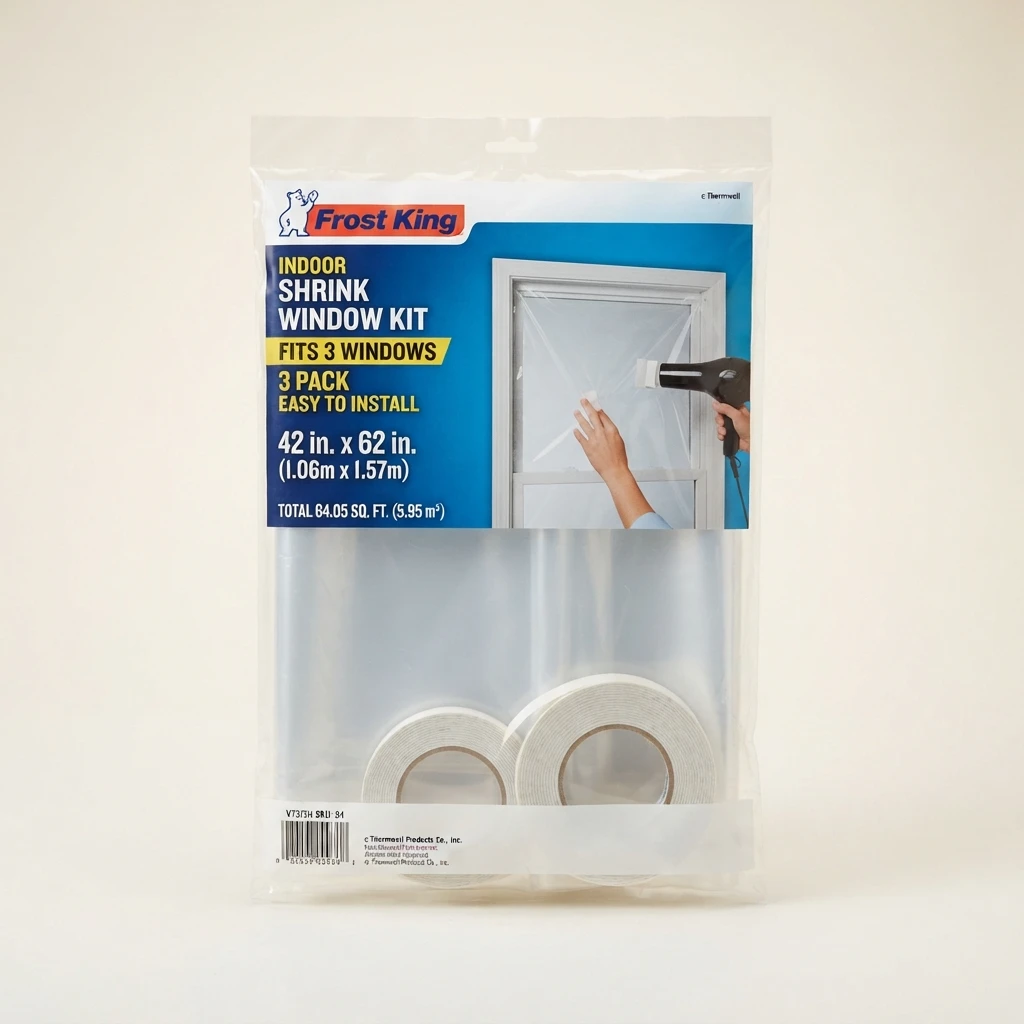
Frost King V73/3H Shrink Window Kit, Indoor, 42 x 62 in, 3-Pack
Frost King lists the V73/3H as a three-sheet indoor shrink-film kit for standard windows. The manufacturer says its indoor kits can be installed on metal, painted, varnished wood, or vinyl-clad window frames using the supplied double-face tape or nails; renters should favor the instructed tape method rather than making holes.
Renter caution: “Painted” does not mean every paint job is equally strong. Avoid loose finishes, test where appropriate, and remember the window will generally be unavailable while film spans the frame.
Check Price on Amazon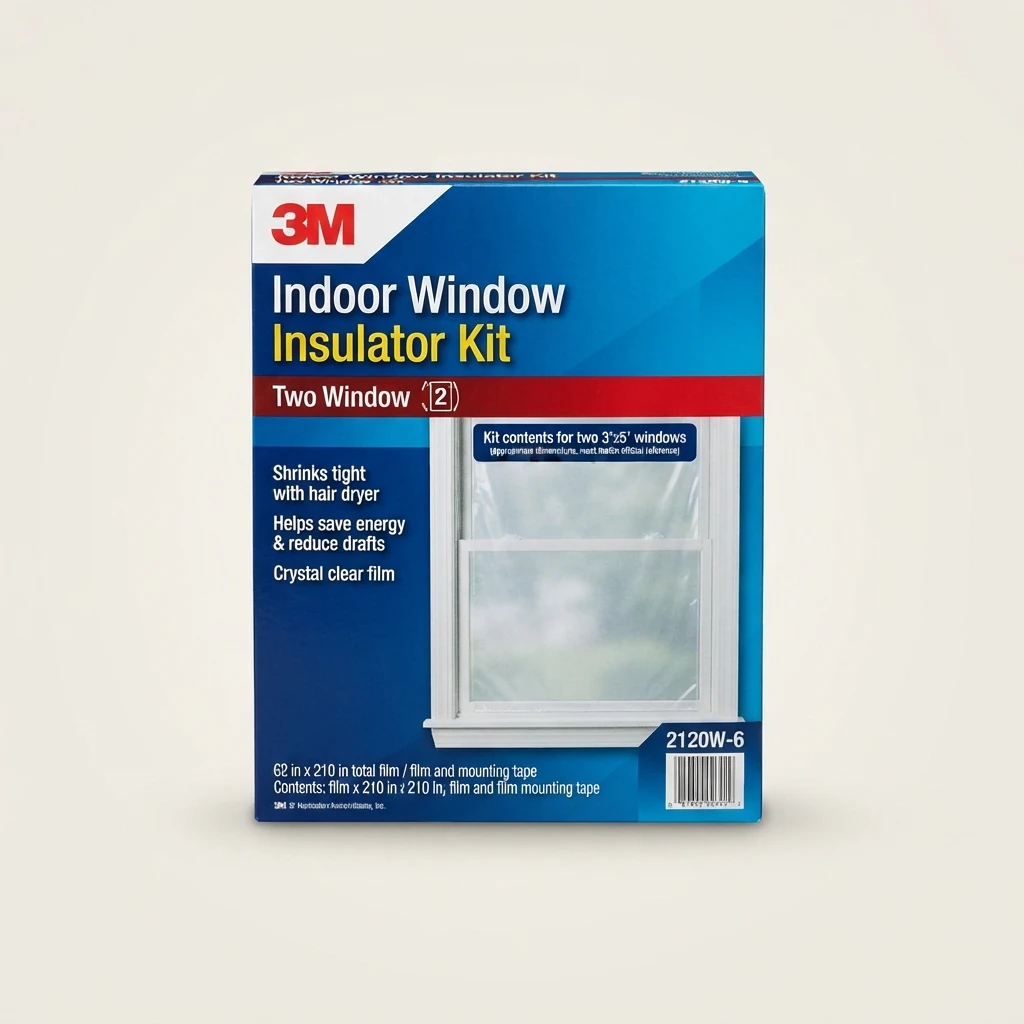
3M Indoor Window Insulator Kit – Two Window, 2120W-6
3M identifies the 2120W-6 as an indoor two-window kit that uses heat-shrink film with Scotch window film mounting tape. The manufacturer states that this version fits two 3 × 5 ft indoor windows and is designed to reduce cold drafts through a seasonal film barrier.
Renter caution: The mounting tape bonds to the frame, so trim condition matters. Do not use it as proof that weak, peeling, or recently coated paint will release cleanly.
Check Price on Amazon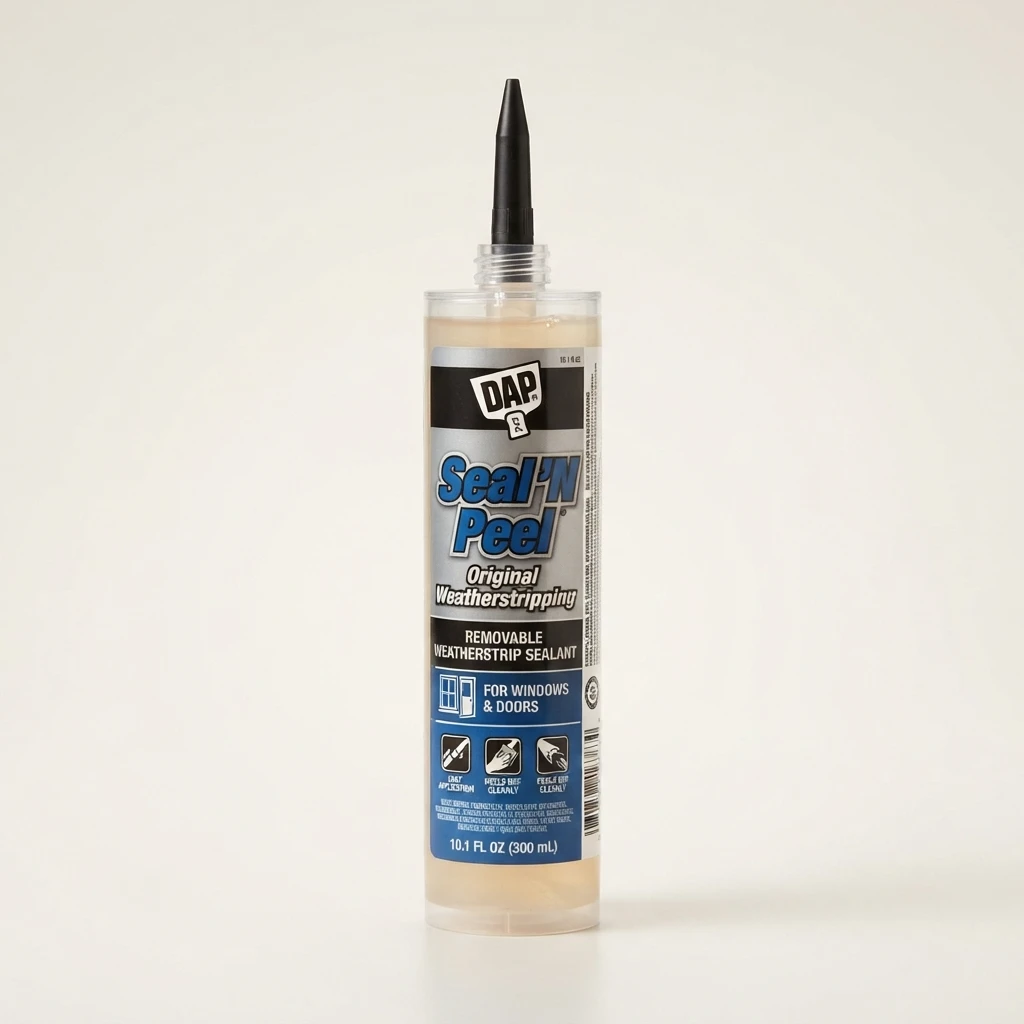
DAP Seal ‘N Peel Original Weatherstripping, Crystal Clear, 10.1 fl oz
DAP describes Seal ‘N Peel as removable seasonal weatherstripping for temporarily sealing drafty windows, doors, air conditioners, vents, or fans. The current US product page lists the crystal-clear 10.1 fl oz size and says the seal can be peeled away when it is no longer needed.
Renter caution: This is still a sealant product. Read the current label, technical data and safety data before use, follow ventilation directions, and do not bridge an operable joint you must keep functional.
Check Price on AmazonPlan Removal Before You Install Anything
Move-out damage often happens during removal, not installation. A renter sees tape that has been in place all winter, pulls quickly at a 90-degree angle, and discovers the paint bond was weaker than the adhesive bond.
Keep the original instructions and package long enough to use the specified removal method. Work slowly. Support trim near the removal point instead of yanking from the middle. If the manufacturer gives a pull direction or angle, follow it. Do not introduce solvents, scrapers, or extra heat unless the product documentation specifically allows them for your surface.

- Photograph the trim before removal.
- Remove material in daylight so paint lifting is easy to spot.
- Stop if the finish begins lifting with the adhesive.
- Use only manufacturer-approved cleanup methods.
- Open and test the window after all seasonal material is gone.
- Photograph the final condition before move-out.
If you are preparing the whole apartment for inspection, pair this with our guide to deposit-costing decor mistakes so window fixes are not undone by avoidable wall or mounting damage elsewhere.
Window Draft-Proofing Mistakes That Create New Problems
Using aggressive household tape
Duct, packing, carpet, or construction tapes are not a substitute for a weatherization system. They can leave residue or damage weak finishes and have no renter-specific removal promise.
Making the window impossible to use
A seasonal barrier is not appropriate if you still need that opening for routine ventilation, emergency escape, or operation required by the property.
Sealing over a maintenance defect
A loose frame, broken latch, failed glazing, rotten wood, active water intrusion, or major gap deserves a landlord repair request—not a prettier temporary cover.
Another common mistake is assuming “removable” means “guaranteed not to affect paint.” Surface condition always matters. If your apartment has older trim or unknown coatings, the lower-risk move may be to ask management to handle air sealing rather than attaching anything.
For a broader move-in strategy, our first apartment decorating checklist helps you separate reversible changes from modifications that deserve landlord approval.
When the Better Renter Fix Is a Maintenance Request
Temporary draft proofing is useful when the window is basically functional and you need a seasonal comfort improvement. It is not a replacement for a broken window assembly.
Ask management to inspect the window if the sash will not lock, the frame moves, weatherstripping is missing or deteriorated, there is visible daylight through a construction joint, exterior sealant has failed, hardware is damaged, or moisture is entering around the frame. Permanent caulking between the window assembly and wall materials is building-envelope work and is usually better handled by the property owner or an approved maintenance professional.
If the window is sound but the room still feels visually cold or unfinished, use reversible decor rather than more adhesive. Our renter-friendly lighting ideas and guide on how to make a rental feel like home can improve comfort without turning the window into another repair project.
Sources & Renter-Safety Note
This guide uses manufacturer documentation for product-specific facts and U.S. Department of Energy guidance for the general distinction between caulking and weatherstripping. Always check the current instructions on the exact product you buy because formulations, packaging, and approved applications can change.
- U.S. Department of Energy — energy-saving tips for renters
- U.S. Department of Energy — renter air-sealing guidance
- Frost King — Indoor Shrink Window Kits
- 3M — Indoor Window Insulator Kit 2120W-6
- DAP — Seal ‘N Peel Original Weatherstripping
Lease terms and local requirements vary. This page is practical renter-safety guidance, not legal advice. Keep move-in and move-out photos, retain written landlord communication, and ask before making a permanent alteration.
Frequently Asked Questions
Can renters use plastic window film for drafts?
Often, yes, if the lease allows it and the mounting tape is suitable for the window-frame surface. Interior shrink-film kits are seasonal systems that span the window opening. Check the frame finish first and remember the window generally cannot be opened until the film is removed.
Will window-insulation tape damage painted trim?
No adhesive can be treated as universally paint-safe. Sound, well-bonded paint is different from peeling, chalky, recently applied, or poorly prepared paint. Follow the exact kit instructions and avoid adhesive on a visibly weak finish.
Is removable weatherstrip sealant a good option for renters?
It can be useful for a specific seasonal gap when the product is designed to peel away and its current instructions approve the application. Read the label and safety data, follow ventilation guidance, and do not use it where you need the window joint to keep moving.
Should I caulk a drafty rental window?
Permanent caulk is normally used on stationary joints and may be the correct building repair, but renters should not assume they are authorized to apply it. Report structural or fixed-frame gaps to management and get written approval before making a permanent seal.
What if I still feel cold after sealing the draft?
The glass itself may be cold even when air leakage is controlled. Existing-rod thermal curtains or other approved window coverings may improve comfort, but they do not replace repair of a true air leak. Keep coverings clear of heaters, radiators, and vents.
When should I remove seasonal window draft proofing?
Remove it when you need the window to operate again, when the manufacturer directs seasonal removal, or before move-out if the lease requires the window to be returned to its original condition. Follow the product’s removal method and photograph the trim afterward.
Renter-Safety Verdict
Window draft proofing can be a sensible renter project when the window is functional and the method is genuinely temporary. The lowest-risk path is to identify the leak, protect fragile finishes, keep required window operation in mind, and use a product specifically designed for the exact joint or seasonal barrier you are creating.
Choose temporary film or weatherstripping when the lease allows it and the frame finish is sound. Use removable seasonal sealant selectively and follow its current technical and safety instructions. Use another method or call maintenance when paint is failing, the frame is damaged, water is entering, hardware is broken, or the correct repair is permanent caulk or construction work.
Make the Rest of the Rental Feel Better Without Creating Repair Work
Once the draft is handled, use reversible changes to improve warmth, function, and personality throughout the apartment.
Make Your Rental Feel Like Home